
In 2024, over 40% of new premium helmets came with audio or communication features. This shows a big change, making Bluetooth helmets as common as visors on bikes and slopes.
This 2025 guide helps you find the best smart motorcycle & ski helmets with Bluetooth. You’ll see top picks from brands like Sena, Cardo, and Shoei. Whether you need group chat, crash detection, or long battery life, this guide has you covered.
We look at what really matters: safety standards, intercom types, app updates, and more. You’ll also find helmets that work for both motorcycles and skiing. They’re perfect for eBikes too.
Explore More — Navigation & Related Guides
Key Takeaways
- The market now favors bluetooth integrated helmets for safety and convenience.
- Mesh intercom tech (Sena Mesh 3.0, Cardo DMC) matters for group rides.
- Cold-weather battery behavior and swappable packs are critical for skiers.
- Top rated bluetooth motorcycle helmets balance certification, audio, and long-term support.
- This guide covers dual purpose bluetooth helmets and ski-specific picks in depth.
Introduction to best smart motorcycle & ski helmets with Bluetooth.
This guide helps you understand the world of smart helmets. It explains the latest technology and brands like Sena and POC. You’ll learn about the best helmets for skiing and riding.
Table of Contents
Editor’s Picks: Smart Motorcycle & Ski Helmets
Bluetooth comms • DOT/ECE • Winter-glove friendly controls
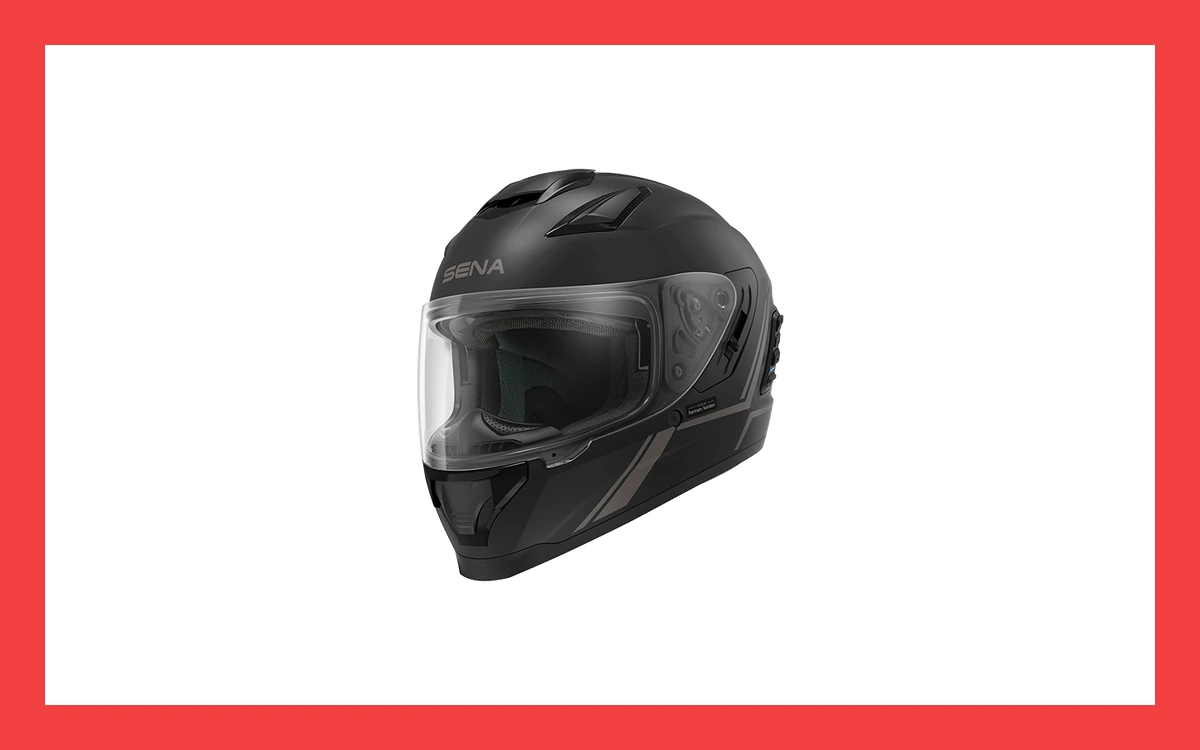
Clean all-in-one pick for riders who mix intercom types.
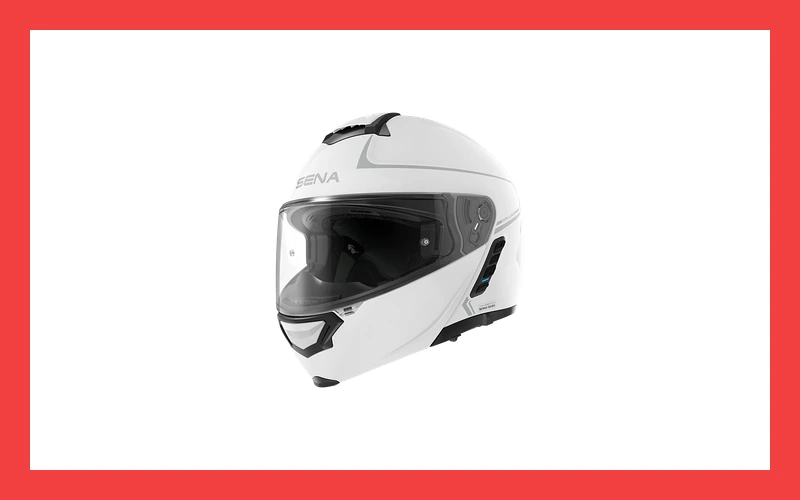
Touring-ready flip-up that keeps comms simple and powerful.
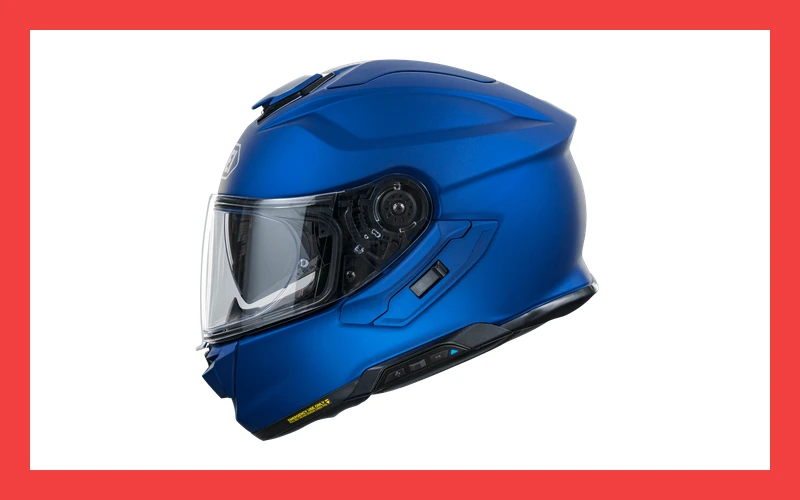
Sleek integration and low wind noise for motorway miles.
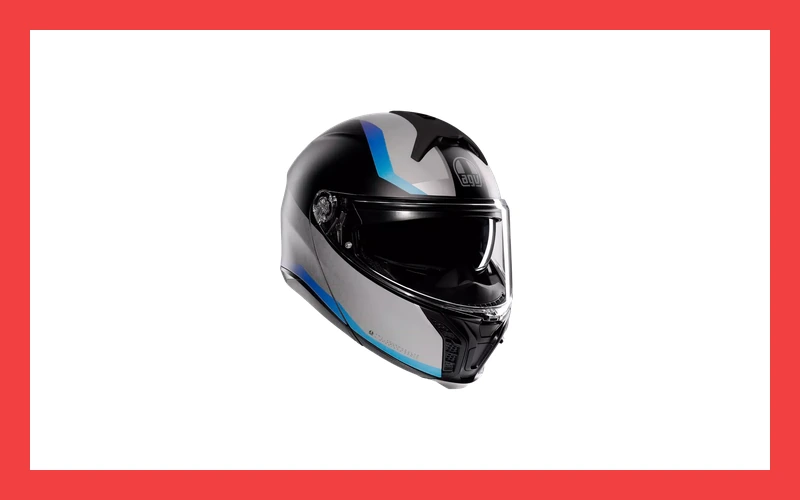
Self-healing Mesh for riders who stick together all day.
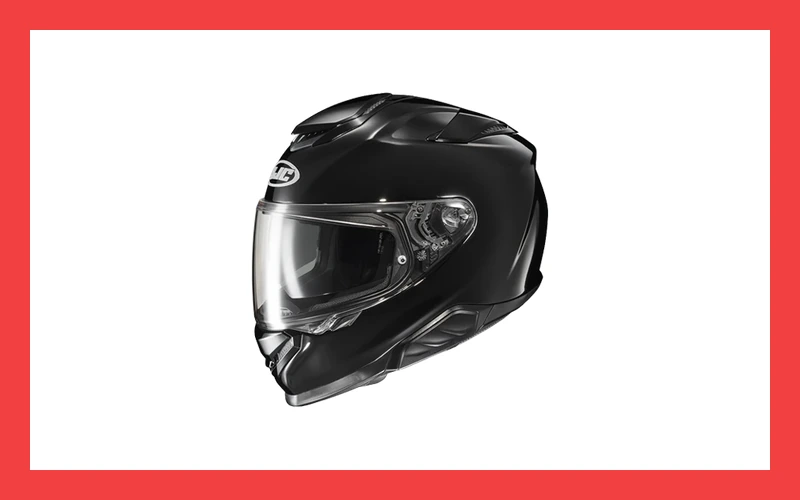
Aero-friendly integration at a friendlier price point.
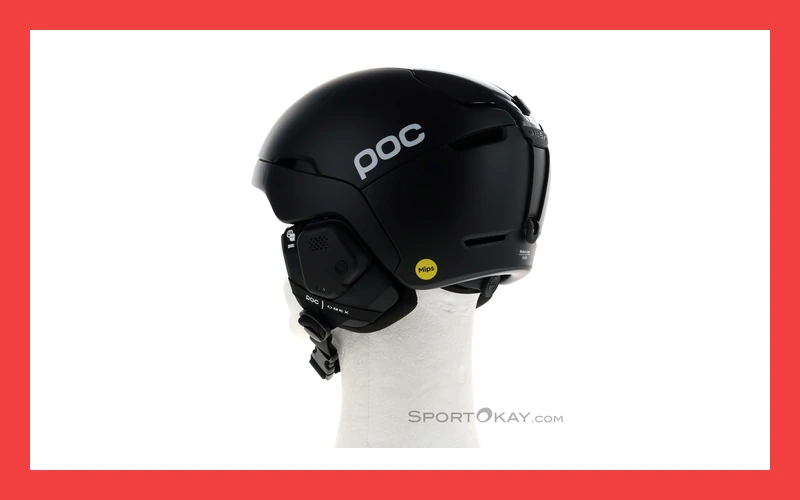
Plug-and-play audio for all-mountain resort laps.
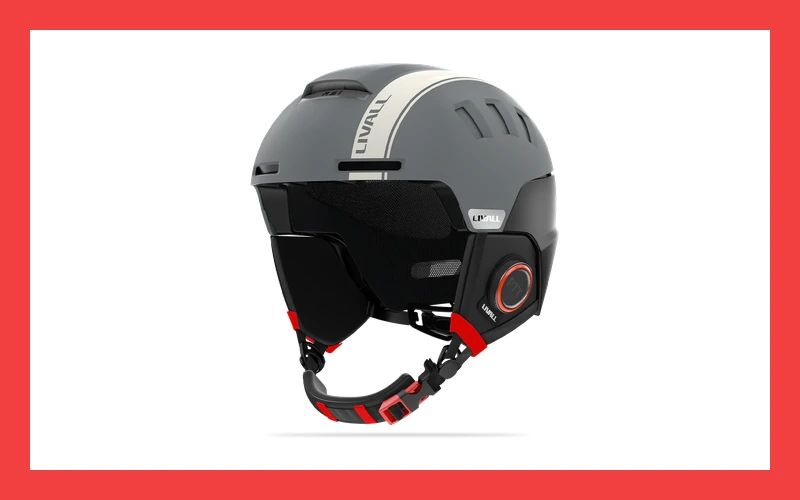
Battery that keeps up when temps drop below freezing.

Great-looking shell + brand ecosystem; easy audio upgrade.

Budget path: buy the shell now, add POC Aid audio when ready.
Comparison — Smart Motorcycle Helmets
| Model | Cert | Weight | Comms Type | Battery (claimed) | Notable Features | Best For |
|---|---|---|---|---|---|---|
| Sena Stryker (full-face) | DOT | ~1,750 g (M) | Mesh 2.0 + Bluetooth | Mesh ~10–11 h; BT ~18 h | Harman Kardon speakers/mic; LED tail-light; magnetic pogo | All-round smart full-face |
| Sena Impulse (modular) | DOT | ~1,760 g (M) | Mesh 2.0 + Bluetooth | Mesh ~10–11 h; BT ~18 h | Harman Kardon audio; magnetic pogo; auto Wi-Fi firmware | Touring & commuters |
| Shoei GT-Air 3 + SRL3 | DOT; ECE 22.06 | ~1,775 g (~3.9 lb) | SRL3 Mesh + Bluetooth | Headset-dependent (SRL3) | Quiet aero; Pinlock; flush recess keeps profile sleek | Quiet highway touring |
| AGV Tourmodular + INSYDE | ECE 22.06 | ~1.7 kg | Cardo DMC Mesh + BT | Headset-dependent (INSYDE) | DMC for up to 15 riders; modular convenience | Group touring (UK/DE focus) |
| HJC RPHA 71 + SMART HJC 50B | ECE 22.06 | ~1,567 g* | Mesh 2.0 + Bluetooth | BT up to ~13 h (typ.); Mesh lower | Factory integration ports; 50B co-dev with Sena | Value sport-touring |
| Ruroc ATLAS 4.0 + Shockwave | ECE 22.06* | ~1.5 kg (variant-dep.) | Bluetooth (Shockwave module) | Headset-dependent (Shockwave) | Low-profile plug-in audio; sleek shell & ecosystem styling | Style / easy audio upgrade |
*Weight shown from Carbon variant as reference; composite models are similar.
Comparison — Smart Ski / Snow Helmets
| Model | Cert | Weight | Comms Type | Battery (claimed) | Notable Features | Best For |
|---|---|---|---|---|---|---|
| POC Obex MIPS Communication | EN 1077-B | ~1 lb 5 oz (M/L) | Bluetooth (integrated) | Not stated | Integrated speakers/mic (POC Aid); dial fit; vent sliders | All-mountain with built-in audio |
| POC Obex Pure (Comm-compatible) | EN 1077-B | Lightweight | Add-on POC Aid / Connect | Headset-dependent | Seamless fit with POC goggles; upgrade path to audio | Budget/stock flexibility (US/UK/EU) |
| LIVALL RS1 Smart Ski Helmet | EN 1077; ASTM F2040 | ~750 g | Bluetooth (integrated) | Up to 16 h; to −20 °C | Wind-resistant mic; vents; app features | Cold-weather resort days |
Prices — US / UK / EU
| Model | US (USD) | UK (GBP) | EU (EUR) | Notes |
|---|---|---|---|---|
| Sena Stryker | $324–$499 | £398–£492 | €— | Integrated Mesh+BT; sales vary by color/size |
| Sena Impulse | $599 (Sena) | £379–£629 | €— | Modular; Wi-Fi firmware updates while charging |
| Shoei GT-Air 3 + SRL3 | Helmet $779.99 + SRL3 $359 | £— | €— | Flush-fit comms unit priced separately |
| AGV Tourmodular + INSYDE | Helmet $769 + INSYDE $362 (AGV US) | £— | €494–€539 + €225–€345 | DMC Mesh kit often sold separately/bundled |
| HJC RPHA 71 + SMART HJC 50B | Helmet $569.99 + 50B $349.99 | £399 | €— | Near-flush integration; 50B is a separate module |
| Ruroc ATLAS 4.0 + Shockwave | Helmet $379 + Shockwave $200 | £375 | €— | “From” price varies by graphic |
| POC Obex MIPS Communication | $150–$300 | £— | €— | Integrated speakers/mic (Bluetooth) |
| POC Obex Pure (Comm-compatible) | $120–$170 | £— | €— | Works with POC Aid headset; seamless with POC goggles |
| LIVALL RS1 | $179 | £— | €— | Low-temp battery claims; integrated Bluetooth |
Prices change by size/color/graphic and promotions. Use “from” or ranges to reduce maintenance.
Best Smart Motorcycle Helmets — Reviews
This roundup highlights top Bluetooth motorcycle helmets for touring, group rides, and long highway runs. We focus on audio quality, battery life, and noise control—plus Mesh/DMC intercom features for reliable group comms.
Sena Stryker — Hands-on
Stryker is a top smart full-face for mixed Mesh/Bluetooth groups. It ships with Mesh 2.0 + BT, Harman Kardon audio, a rear LED tail-light, and glove-friendly charging.
Noise control is good for a smart helmet, and the app simplifies group setup. US spec is DOT; speaker placement matters if you ride with earplugs.
- Pros: All-in-one package, easy Mesh/BT, LED visibility.
- Cons: Not the quietest at high speed; region spec varies.
Sena Impulse — Hands-on
Impulse mirrors Stryker’s tech in a modular shell—ideal for touring and commuting. Strong call/navigation audio and glove-friendly controls. Expect a bit more wind noise vs full-face.
- Pros: Flip-up practicality, strong audio, easy updates.
- Cons: Louder than a full-face; weight adds up.
Shoei GT-Air 3 + SRL3 — Hands-on
Pre-shaped for SRL3, GT-Air 3 keeps a quiet, aerodynamic profile—great for motorway miles. Premium ventilation and finish; comfort is excellent. Ties you to Sena’s ecosystem without a bridge.
- Pros: Quiet aero, flush integration, premium comfort.
- Cons: Pricey; less flexible than universal kits.
AGV Tourmodular + INSYDE (Cardo DMC) — Hands-on
Comfortable modular with DMC Mesh that auto-reconnects—excellent for groups that spread out. As with most modulars, expect a touch more noise.
- Pros: DMC Mesh baked-in, comfy modular, ECE 22.06.
- Cons: Louder than top full-faces; regional availability.
HJC RPHA 71 + SMART HJC 50B — Hands-on
Light, comfortable shell (Carbon ref.). The co-developed SMART HJC 50B integrates cleanly. Great value combo for protection + comms; choose 21B BT for longer runtime if you don’t need Mesh.
- Pros: Light shell, clean integration, Mesh + BT value.
- Cons: Not class-leading for noise; Mesh reduces runtime.
Ruroc ATLAS 4.0 + Shockwave — Hands-on
Style and modularity first. Shockwave preserves sleek lines and fits tool-free. Audio is solid for city speeds; the overall tuning is sportier than tourer-quiet.
- Pros: Sleek shell, clean audio add-on, quick setup.
- Cons: Not the quietest at high speed; regional spec varies.
Best Smart Ski Helmets — Reviews
For snow use, we look at fit, comms clarity, battery life, and cold-weather performance.
POC Obex MIPS Communication — On-snow
Built-in POC Aid audio makes this a simple plug-and-play pick. Easy glove-friendly controls and vent sliders; comfy dial fit.
- Pros: True plug-and-play audio, MIPS, comfy dial fit.
- Cons: Heavier than Pure; battery varies with temperature.
LIVALL RS1 — On-snow
Excellent in freezing temps with reliable comms and simple operation. Light, vented, and goggle-friendly. Keep volumes moderate for awareness.
- Pros: Strong cold-weather battery, simple integration.
- Cons: Audio fidelity is serviceable; styling is utilitarian.
POC Obex Pure — Hands-on
POC’s lightweight all-mountain shell with easy upgrade path. Certified for skiing, comfy all-day fit, vents well. Add the POC Aid headset later for audio.
Best for: budget-minded skiers who want to upgrade later.
- Pros: Light, comm-ready, seamless with POC goggles.
- Cons: No MIPS/built-in audio; basic feature set.
Why this guide matters in 2025
In 2025, Bluetooth and mesh comms are top-notch. Sena and Cardo offer great group connections. Harman Kardon has improved audio quality.
Now, helmets can get updates without a visit. This makes them safer and more advanced.
Who this guide is for
Motorcyclists and skiers will find useful info here. You’ll learn about comms, navigation, and safety features. eBike riders and commuters will also find helpful tips.
Looking for a helmet for both skiing and riding? This guide compares options.
How to use this article — quick navigation to picks, buying guide, and reviews
Start with the Editor’s Picks for quick advice. The buying guide compares helmets. Read reviews for hands-on testing notes.
Reviews include specs and real usage tips. You’ll learn about setup and maintenance. There’s also advice on when to choose an add-on unit.
Why smart audio and integrated Bluetooth matter for riders & skiers
Smart audio in helmets changes how you ride and ski. You get clear navigation prompts, hands-free calling, and faster group coordination. Systems from Sena, Cardo, POC, and LIVALL show how integrated design improves comfort and reliability when you need it most.

Safety benefits: navigation prompts, hands-free SOS, crash detection
Turn-by-turn navigation routed through helmet audio keeps your eyes on the road or slope. Models such as Sena Stryker and LIVALL RS1 include crash-detection features and app-linked auto-SOS. These send emergency alerts when impact is detected.
Hands-free calling and voice assistants lower distraction. You can confirm directions, call for help, or trigger an SOS without fumbling with a phone. This on-helmet integration matters when seconds count.
Group communication: Mesh intercom vs Bluetooth intercom for riding groups
Mesh intercom systems like Sena Mesh 3.0 and Cardo DMC let many riders talk at once and rejoin conversations dynamically. These networks scale better than classic point-to-point connections for long group rides.
Bluetooth helmet intercom units remain useful when you ride with a buddy or pair across different brands. They offer simple universal pairing and lower setup friction for quick trips.
Entertainment and convenience: music, calls, voice assistants
High-end audio like Harman Kardon tuned units in Sena helmets deliver richer playback through helmet speakers, even at highway speeds. AI-based noise suppression improves clarity for music and phone calls.
Voice assistant routing via the helmet simplifies tasks. You can change routes, accept calls, or control playlists without taking your hands off bars or poles.
Cold-weather and ski-specific advantages: integrated speakers, helmet speakers, cold-weather battery life
Ski helmets such as the POC Obex MIPS Communication and LIVALL RS1 focus on mic placement and wind-noise rejection. This keeps speech clear in gusts. Proper speaker pockets and sealed mics cut ambient noise on slopes and mountain roads.
Cold-weather battery chemistries matter for winter use. Battery-swappable designs and cells rated for low-temperature discharge preserve runtime when you need it. Choosing a helmet with verified cold-weather battery performance reduces in-field downtime on long winter days.
Define a smart helmet with Bluetooth/speakers
A smart helmet with Bluetooth/speakers is more than just a helmet. It has built-in speakers, a microphone, and digital sensors. It also has a rechargeable battery and controls for the rider. This makes it a compact communications hub for riders and skiers.
Core components
The speakers are small and hidden in the helmet. The microphone can be a boom mic or an internal one. An antenna or radio module handles Bluetooth and mesh links. The battery is rechargeable, and you can find magnetic chargers and swappable packs on premium models. Controls can be physical buttons, magnetic pucks, or app-driven touch controls.
Advanced communication
Advanced communication helmets use mesh intercom protocols like Sena Mesh 3.0 and Cardo’s DMC/INSYDE. These protocols allow for sustained group calls and a wider range. Mesh also lets multiple riders join and auto rejoin, making it reliable on long tours. They are compatible with older Bluetooth headsets and many other helmet options.
Smart features beyond audio
These helmets also have sensors and connected features beyond audio. For example, LIVALL models have crash detection with automatic SOS. They also have integrated rear and turn lights for better visibility. Over-the-air firmware updates are available through apps like Sena Connect, Cardo Connect, and LIVALL app.
| Component | What it does | Example brand/feature |
|---|---|---|
| Helmet speakers | Delivers music, navigation prompts, and intercom audio | Sena Harman Kardon-tuned drivers |
| Microphone | Enables clear voice calls and voice-assistant use | Cardo internal boom or Ruroc with Shockwave |
| Antenna / Radio | Handles Bluetooth and mesh traffic for groups | Sena Mesh 3.0, Cardo DMC/INSYDE |
| Battery & charging | Powers audio and smart sensors; affects runtime in cold weather | Magnetic chargers, swappable packs on premium helmets |
| Controls & app | Adjust volume, pairing, EQ, and firmware settings | Sena Connect, Cardo Connect, LIVALL app |
| Smart extras | Crash detection, integrated lights, OTA updates | LIVALL SOS, Lumos-style integrated LEDs |
How We Tested & Chose
Before you trust a recommendation, it’s good to know how we tested. Our method combines lab tests with real-world riding and skiing. This way, you can see how specs match up with real-life use.
Our team has been testing gear for over 20 years. We’ve reviewed over 2,500 items and referenced over 450 helmet reviews. We focus on fit, audio, and safety, testing Sena and Cardo products often.
We put gear through real-world tests. Highway runs check wind noise and stability. Mountain rides test Mesh 3.0 and DMC group comms. Ski slope tests check microphone clarity and battery life in cold weather.
We score helmets based on clear categories. Points are given for safety, audio, and battery life. We also look at comfort, ventilation, and value, including parts and warranty.
We keep an eye on gear over time. We track battery life and software updates. We also check for replacement parts and warranty services.
The following table summarizes core criteria you can expect in our assessments.
| Test Category | What We Measure | Why It Matters |
|---|---|---|
| Safety & Certification | DOT, ECE 22.06 compliance, impact tests | Ensures legal use and baseline protection in a crash |
| Audio & Intercom | Speaker clarity, mic quality, mesh stability, range | Defines communication quality for solo and group rides |
| Battery & Cold Performance | Talk time, charge cycles, cold-weather drain | Shows real endurance for long tours and ski days |
| Comfort & Noise | Fit, ventilation, wind noise at highway speeds | Determines daily wearability and fatigue on long trips |
| Durability & Service | Shell wear, replacement parts, warranty terms | Predicts lifetime cost and ease of repair |
| Software & Updates | Frequency of OTA updates, app features, pairing fixes | Extends functionality and fixes bugs without new hardware |
Buying Guide — What Actually Matters

When picking a smart helmet, think about safety, sound, battery life, and fit. You need to know what’s important to match your riding style, local laws, and comfort.
Safety standards and certification priorities
Make sure your helmet meets local safety standards. In the U.S., DOT is the minimum for street riding. In Europe, look for ECE 22.06. Track riders should consider SNELL for extra protection.
If you ride a speed eBike, check NTA-8776 compliance. Models like Lumos Ultra and Unit 1 Aura meet this spec, making legal use simpler.
Audio and intercom considerations
Check the Bluetooth version and mesh support. Newer Mesh 3.0 systems improve group stability and reduce dropouts. Verify manufacturer-range claims with third-party tests when possible.
Universal pairing is key when riding with friends. Sena and Cardo interoperability has improved, but always test pairing before a trip.
Battery & charging
Compare talk time and standby figures in specs. Cold weather drains batteries faster, so look for swappable cells or insulated housings. Magnetic chargers are convenient, while USB-C PD offers fast charging.
Note whether the unit allows hot-swapping or requires tools to change cells.
Noise and comfort
Wind-noise management is vital for long miles. A quiet motorcycle helmet relies on shell shape, seal quality, and internal liners. Shoei and HJC designs focus on passive noise control that reduces fatigue.
Check ventilation, liner materials, weight, and speaker pocket ergonomics for day-long comfort.
Feature trade-offs to evaluate
- Advanced smart helmet features like crash detection and OTA updates add value but raise repair complexity.
- Premium audio and mesh intercoms increase price and may reduce battery life.
- Removable electronics let you service the shell separately and prolong usable life.
Quick checklist before you buy
- Confirm certification for your region and intended use, including NTA-8776 for eBike use.
- Test Bluetooth pairing with your phone and a fellow rider’s device.
- Assess real-world battery & charging behavior in cool temperatures.
- Try on the helmet with audio modules installed to judge noise and fit.

Editor’s Picks • Comparison • Prices
Safety Standards and Certification Across Markets
When you look for a smart helmet, the certification matters a lot. It affects how well the helmet fits, the warranty, and what you can legally ride with. Each market has its own rules, so always check the label and product literature for the standards that apply in your area.

US requirements and integrated communications
In the United States, DOT FMVSS 218 is the main rule. Companies like HJC and Ruroc make helmets that meet DOT standards and add electronics. Make sure that any Bluetooth features don’t harm the helmet’s safety or DOT approval if you’ll be riding on public roads.
European testing and modern protocols
In Europe, ECE 22.06 is the key standard. It tests how well helmets handle impacts, stay in place, and resist abrasion. Many helmets with Cardo or Sena modules have ECE 22.06 marks. This means you can use mesh intercoms and Bluetooth without losing certification. Always check the certificate to see what was tested.
Specialized rules for eBikes and skis
Speed eBikes in Europe follow NTA-8776. Brands like Lumos Ultra and Unit 1 Aura aim for this approval. It’s because it covers faster eBike scenarios. Ski helmets also have their own tests, so make sure a helmet for skiing also meets electronic safety standards.
Replacement parts, batteries and warranty impact
Certification can affect the availability of OEM parts like liners, visors, and speakers. Brands like LIVALL share warranty terms and battery advice. Remember, there are flight restrictions based on battery size. If you modify a helmet with non-OEM parts, you might lose the warranty and certification.

Setup Tips & Audio Tuning
Getting your smart helmet ready should be quick and reliable. Start with the manufacturer’s app for firmware updates and step-by-step pairing. This short prep avoids dropped connections during rides or on the slopes.
Initial pairing and universal pairing with other brands
Open the Sena Connect, Cardo Connect, or LIVALL app and complete any firmware updates before pairing. Put your helmet into pairing mode and enable legacy or universal Bluetooth mode if you need cross-brand compatibility. Test voice calls and music playback after pairing to confirm mic and speaker function.
Fine-tuning audio: speaker positioning in speaker pockets, EQ via apps, volume presets for road noise
Place the drivers in the manufacturer speaker pockets for the best low-end and clear voice. Small shifts forward or back change bass response and clarity, so test while stationary, then again at riding speed. Use the app EQ to reduce boomy lows or boost mids for clearer intercom speech.
Save volume presets for different conditions: one for city or slope, one for highway speed. That avoids sudden loudness changes when wind noise rises. If you have Harman Kardon-tuned units like those in Sena Stryker, make modest EQ moves to preserve the original balance.
Mesh network tips: channel selection, re-joining group, maximizing range
Use Mesh 3.0 devices for larger groups to improve stability and range. Coordinate firmware versions before a group ride, specially when mixing Cardo DMC/INSYDE and Sena mesh systems. Pre-create sessions or assign channels so members can re-join quickly.
When testing range, have a partner walk away and check voice clarity stepwise. If performance drops, reposition antennas if user-replaceable or move riders to higher ground during ski meetups. Rebooting a node often fixes re-join issues more rapidly than re-pairing from scratch.
Cold-weather setup: preserving battery, warm storage, charger best practices
Keep removable batteries and helmets warm when not in use. Cold reduces capacity and can limit peak output during a long day. Charge batteries to the recommended partial state of charge for storage, and carry a spare swappable cell when supported.
Use manufacturer-supplied chargers or PD fast chargers approved by the brand for efficient charging. Avoid leaving depleted batteries in sub-freezing conditions. Follow cold-weather battery best practices by rotating spares and warming batteries in an inner pocket before swapping.
Before a long trip, verify mic wind muff placement on ski helmets, run a quick intercom range test, and confirm OTA updates have applied. These practical checks save time and keep communications reliable on the road or the mountain.
Care, Maintenance & Battery Health
Keeping your smart helmet in top shape is key for safety and sound quality. Regular care stops odors, extends life, and avoids sudden failures. Simple routines for liners, electronics, and software ensure your helmet’s best performance.
Routine care
Wash liners as the maker suggests. Use gentle soap and air dry for a good fit and hygiene. Check speaker and mic areas after wet rides for moisture or dirt. Clean the helmet’s shell with a soft cloth and mild soap. Don’t soak the electronics unless it’s safe to do so.
Battery longevity
Stick to the brand’s charging advice to avoid battery damage. Short, frequent charges are better than long, deep ones. For storage, keep batteries at 40–60% charge. Cold weather lowers battery life, so warm them up before use. Consider swappable batteries for cold weather.
Replacing consumables
Look for OEM parts before buying. Brands like Sena, Cardo, HJC, and Ruroc offer replacement parts. Choose parts made for your helmet to maintain fit and sound quality. Easy serviceability is important when choosing a helmet.
Software and firmware
Update apps like Sena Smart App, Cardo Connect, and LIVALL app for better performance and security. Enable OTA updates when safe, like at home. Check for safety recalls and run firmware updates for better mesh and intercom performance.
- Clean liners after heavy use and let them air out between rides.
- Inspect wiring and speaker pockets for corrosion after wet rides.
- Store helmets and batteries in a cool, dry place at partial charge.
- Schedule periodic checks for firmware and OTA updates for helmets.
- Confirm spare part availability so you can replace helmet speakers or pads quickly.
Small habits protect your helmet’s electronics and fit. Regular checks, smart charging, and timely software updates ensure your helmet stays safe and sounds great for years.
Alternatives: Add-On Bluetooth Systems and When to Choose Them
If your helmet doesn’t have built-in Bluetooth, you can add it later. This way, you can keep your helmet but upgrade your communication. It’s great for those who want good sound, save money, and can upgrade later.
Pros and cons
Cardo and Sena standalone units are reliable and easy to pair. They work well with phones and other riders. The Pi Universal kit is affordable and fits many helmets, making basic features available.
But, add-ons might not fit as well as built-in systems. They might not be as waterproof. You might need to work harder to get the best sound and microphone quality.
When an add-on makes sense
Go for an add-on if you like your helmet but want comms. It’s cheaper than buying a new helmet. Add-ons are good for switching between helmets or if you prefer to buy the comms separately.
Compatibility and installation
Make sure your helmet has the right spots for speakers and mics before buying. Many helmets have cutouts for popular brands, making install easier. If not, the Pi Universal kit can work but might need careful placement.
Getting a pro to install can help with sound and wind noise. You can try DIY, but check the sound and wiring to avoid damage.
Budget vs premium trade-offs
Lower-cost add-ons are easy to pair and replace but might lack some features. Premium systems offer more features and better support. If you ride with a group or want the best sound, an integrated system might be better.
For many, a good choice is Cardo or Sena units for their portability and performance. The Pi Universal kit is great for those on a budget. These options let you balance cost, features, and convenience.
Conclusion
Start by choosing certified gear that fits your activity. Look for DOT, ECE 22.06, or NTA-8776 to ensure safety and part compatibility. For most, the best smart helmets offer clear audio, reliable battery, and meet safety standards.
Consider your needs based on your activity. For example, the Sena Stryker is great for motorcycles, while the POC Obex MIPS is ideal for skiing. These helmets offer integrated systems without sacrificing protection.
Think about your communication needs. Bluetooth helmets are good for small groups, while Mesh 3.0 or DMC systems are better for large groups. For those who value quiet rides, the Shoei GT-Air 3 + SRL3 is a good choice. The Sena Impulse is perfect for those who need modular versatility.
For a good balance of value and features, consider the HJC RPHA 71 + SMART HJC or the LIVALL RS1. These helmets offer practical features and long battery life, even in cold weather.
Before you head out, compare helmets based on audio, battery life, and noise management. Check the app and firmware, inspect the speaker pockets and mic routing, and follow the manufacturer’s battery care tips. Regular maintenance ensures your helmet stays safe and functional.
Choose a helmet that meets your needs for certification, communication, battery life, and comfort. With the right helmet, you’ll enjoy better navigation, reliable group talk, and enhanced sound quality on your adventures.
Frequently Asked Questions
Quick answers about smart motorcycle & ski helmets: connectivity, batteries, certifications, crash detection, and real-world setup for solo and group rides.